Why PTZ Cameras Are the Future of Professional Security Systems.
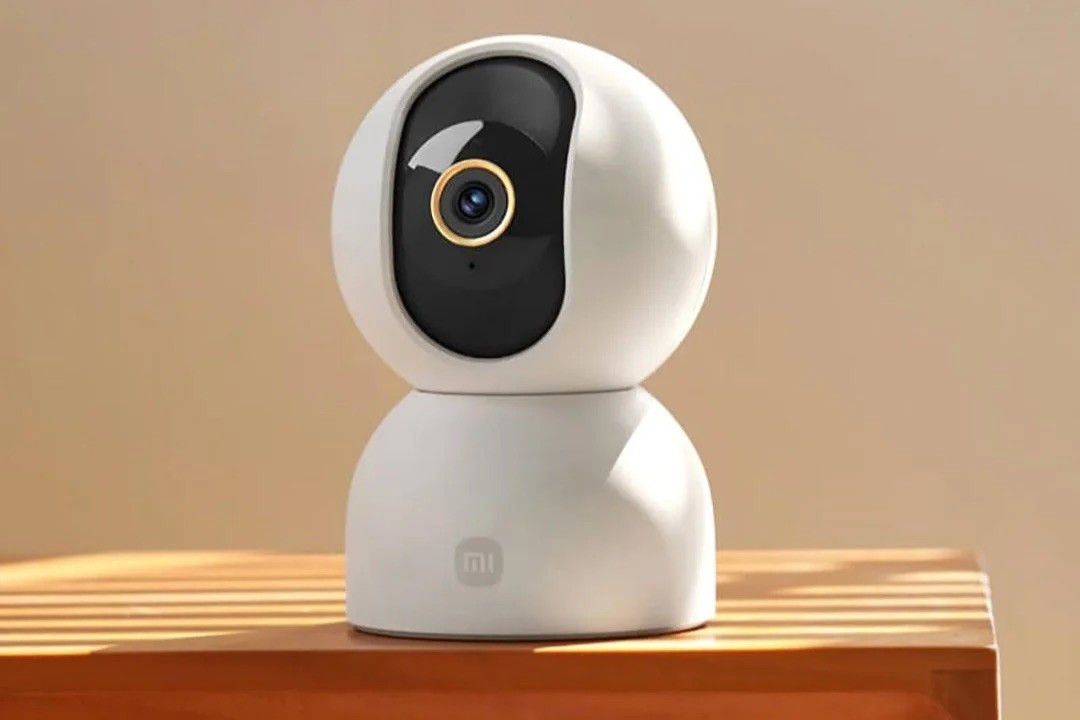
Professional Security Systems In fast-growing cities and towns across Pakistan, concerns about safety have become part of everyday life. Whether it is a home left empty during work hours or a shop closing late at night, people want visibility and control even when they are not physically present. This is where PTZ cameras stand out as a modern surveillance solution. PTZ, which stands for Pan, Tilt, and Zoom, refers to cameras that can move horizontally, vertically, and zoom in on objects. Unlike fixed cameras that capture only one angle, PTZ cameras actively follow activity, offering broader coverage and smarter monitoring.
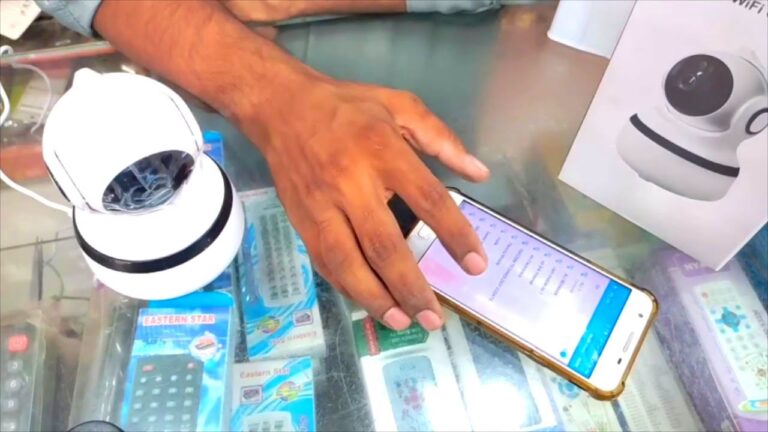
A PTZ camera is designed to mimic the movement of the human eye, allowing operators to look around a space rather than stare at a single point. Through a mobile app, computer software, or network video recorder, users can remotely rotate the camera left or right, tilt it up or down, and zoom in on distant objects with precision. This flexibility makes PTZ cameras especially useful in environments where activity is unpredictable. Instead of installing multiple fixed cameras, one PTZ unit can monitor wide areas efficiently, reducing installation complexity while increasing situational awareness.
Professional Security Systems
Professional Security Systems The technology behind PTZ cameras relies on precision motors, sensors, and intelligent firmware working together seamlessly. Small internal motors control the pan and tilt movements, while advanced lens assemblies handle optical zoom without sacrificing image clarity. When a command is sent, the camera responds smoothly and quietly, making movements nearly unnoticeable. Many modern PTZ cameras also feature AI-powered tracking, automatically following humans or vehicles as they move through the frame. In Pakistan’s climate, well-built PTZ cameras are engineered to withstand heat, dust, and long operating hours without performance loss.
One of the strongest advantages of PTZ cameras lies in their advanced feature set, which goes far beyond simple video recording. High-resolution sensors, often ranging from 4MP to 4K, allow clear identification of faces, number plates, and fine details even from a distance. Infrared and full-color night vision ensure round-the-clock visibility, which is crucial in poorly lit streets or rural areas. Smart alerts notify users instantly when motion or human activity is detected, helping them respond quickly to potential threats or unusual events.
Weather resistance plays a vital role in determining where PTZ cameras can be used effectively. Most professional PTZ cameras come with IP66 or higher ratings, meaning they are protected against heavy rain, dust storms, and humidity. This makes them ideal for outdoor installation in regions that experience monsoons, extreme heat, or dusty winds. Two-way audio adds another layer of interaction, allowing users to speak through the camera to visitors, guards, or intruders, transforming the camera from a passive observer into an active security tool.
PTZ cameras are widely used in residential environments, particularly in homes that require flexible coverage. A single camera installed on a rooftop, gate pillar, or balcony can monitor driveways, entrances, and surrounding streets. Homeowners can zoom in to check unfamiliar visitors or follow movement across property boundaries.Professional Security Systems In gated communities and housing societies, PTZ cameras help residents feel safer by offering live monitoring of shared spaces. This adaptability is especially valuable in neighborhoods where space and installation points are limited.
In commercial settings, PTZ cameras are considered an essential part of professional security planning. Shops, warehouses, offices, and shopping plazas benefit greatly from the wide-area coverage these cameras provide. Business owners can monitor customer movement, staff activity, and entry points from one central device. In busy marketplaces and bazaars, PTZ cameras help security teams track incidents in real time, zooming in on suspicious behavior without losing sight of the surrounding environment. This level of control significantly improves incident response and evidence quality.
Why PTZ Cameras Are the Future
Public spaces and institutions also rely heavily on PTZ camera technology for surveillance and crowd management. Educational campuses, hospitals, parking areas, and transport hubs use PTZ cameras to monitor large open areas efficiently. The ability to track movement across wide zones makes them ideal for traffic monitoring and event security. In city centers and intersections, PTZ cameras help authorities observe traffic flow, detect violations, and respond quickly to emergencies, contributing to overall urban safety and organization.
Professional Security Systems Industrial sites and construction zones are another area where PTZ cameras prove their value. These environments often span large areas with limited access points and constant movement. PTZ cameras allow supervisors to remotely inspect equipment, track worker activity, and ensure compliance with safety protocols. Zoom functionality helps identify issues without physical presence, saving time and reducing risk. For remote or high-risk locations, PTZ cameras provide continuous oversight, improving operational efficiency and minimizing losses.
Ultimately, PTZ cameras represent a shift from static surveillance to intelligent, responsive monitoring. Their ability to cover wide areas, track movement, and deliver high-quality footage makes them suitable for homes, businesses, and public infrastructure alike.Professional Security Systems When installed correctly and paired with modern software, PTZ cameras become more than security devices, Professional Security Systems they become decision-making tools. For anyone seeking a professional, reliable, and future-ready surveillance solution, PTZ cameras offer unmatched versatility and peace of mind.