Why and How to Upgrade an Old CCTV System for Modern Security Needs.
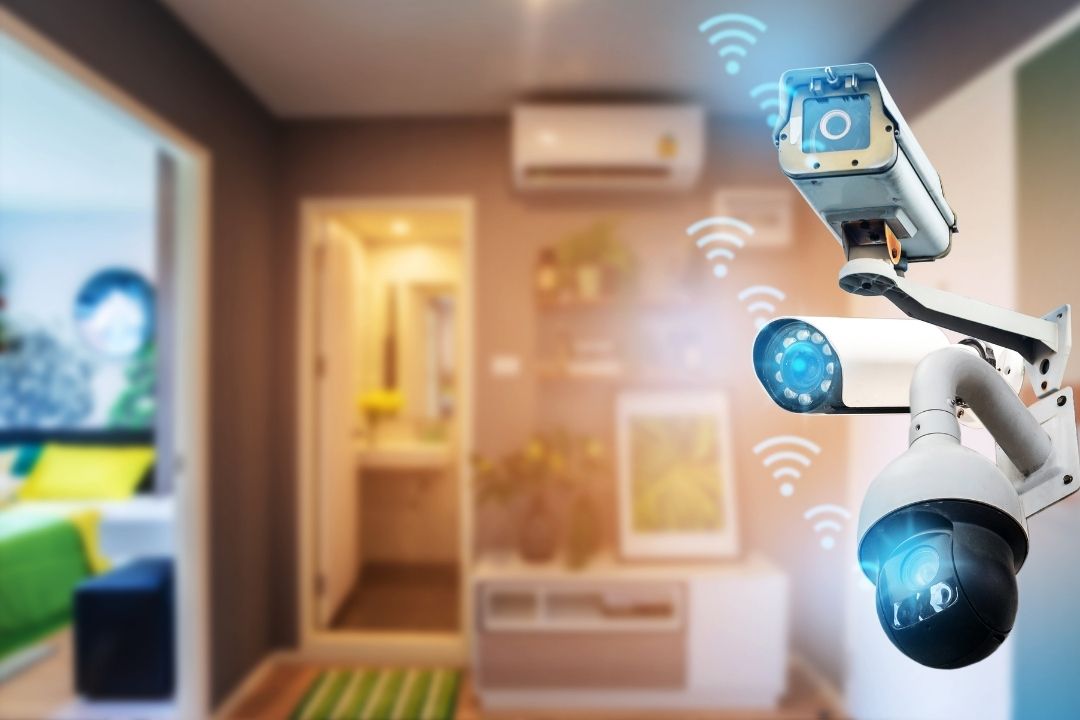

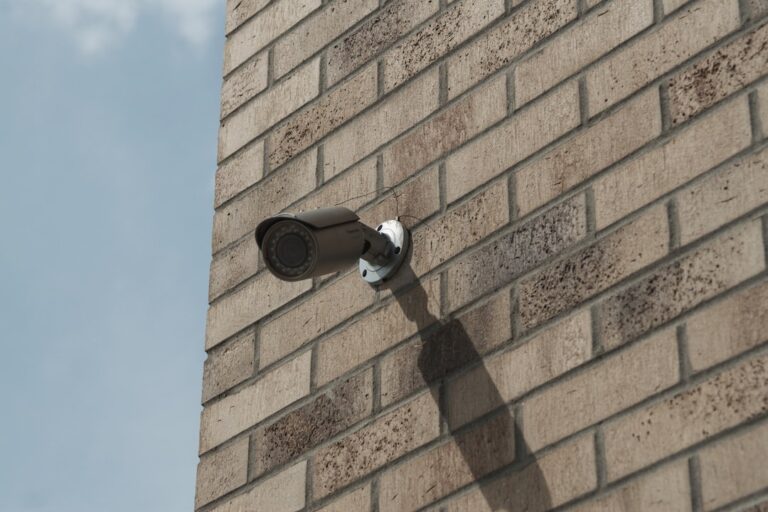
Upgrading an old CCTV system has become a necessity rather than a luxury in today’s fast-evolving security landscape. Many homes and businesses still rely on outdated analog cameras that were installed years ago when basic video recording was considered sufficient. These systems often suffer from poor image quality, limited storage, lack of remote access, and zero intelligence. As security threats become more sophisticated, an old system may provide a false sense of protection. Upgrading ensures better visibility, faster response, and improved reliability, transforming surveillance from passive recording into an active security solution.
The first step in upgrading an old CCTV system is evaluating the existing infrastructure instead of replacing everything blindly. Many legacy systems still have usable components such as cabling, camera mounts, or power supplies. Identifying what can be reused helps reduce costs and installation time. For example, coaxial cables used in analog systems can often support HD-over-coax technologies. This assessment phase also helps identify weak points like blind spots, outdated DVRs, or cameras that fail in low light, allowing a more strategic upgrade rather than a complete overhaul.
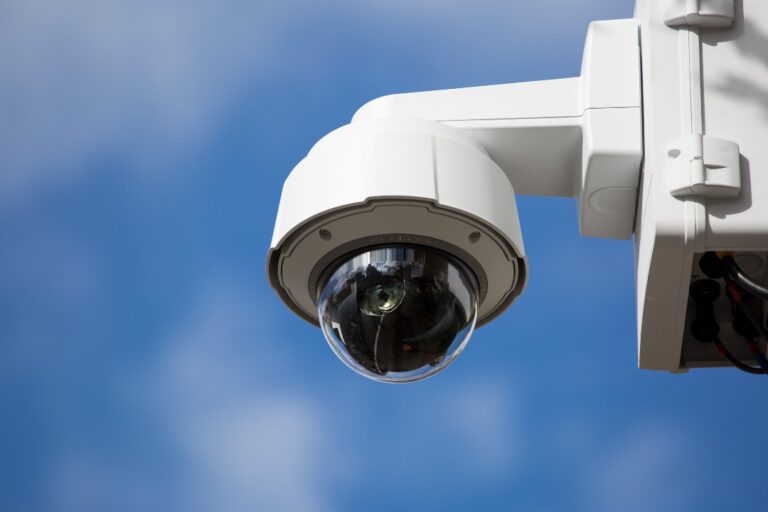
One of the most impactful upgrades is moving from analog cameras to high-definition or IP-based cameras. Older cameras typically offer low-resolution footage that makes it difficult to identify faces, license plates, or fine details. Modern HD and IP cameras provide crystal-clear images, wide dynamic range, and better color accuracy. This upgrade alone dramatically improves the effectiveness of a surveillance system. Higher resolution footage not only aids in incident investigation but also acts as a stronger deterrent, as visible cameras with clear imaging discourage criminal activity.
Replacing outdated DVRs with modern NVRs or hybrid recorders is another critical upgrade step. Traditional DVRs are limited in storage, speed, and compatibility. New-generation recorders support higher resolutions, larger hard drives, cloud backup, and remote access. Hybrid systems allow old analog cameras and new IP cameras to work together, enabling gradual upgrades without disrupting operations. Advanced recorders also offer intelligent features such as smart search, event tagging, and remote playback, making footage management faster and more efficient than ever before.
Storage technology has also evolved significantly, making it an important consideration during an upgrade. Older systems often overwrite footage quickly due to limited hard drive capacity. Modern systems support high-capacity drives, network storage, and cloud-based backups. This ensures longer retention periods and better data protection. Cloud storage also protects footage from physical damage, theft, or tampering. By upgrading storage solutions, users gain peace of mind knowing that critical evidence remains accessible even in worst-case scenarios.
Another major improvement when upgrading an old CCTV system is enabling remote monitoring. Legacy systems usually require on-site access to view footage, which is impractical in today’s mobile-driven world. Modern systems allow users to monitor live feeds and recorded videos from smartphones, tablets, or laptops. Real-time alerts notify users of suspicious activity instantly. This remote access capability is especially valuable for business owners managing multiple locations or homeowners who travel frequently and want constant visibility.
Integrating artificial intelligence into a CCTV upgrade dramatically enhances system intelligence and efficiency. Older systems record everything continuously, generating hours of useless footage. AI-powered cameras can detect humans, vehicles, line crossing, and unusual behavior while filtering out irrelevant motion like shadows or animals. This reduces false alarms and allows users to focus on real threats. AI also enables advanced features such as facial recognition, people counting, and behavior analysis, turning a traditional CCTV setup into a smart security system.
Improving night vision and low-light performance is another essential part of upgrading an old CCTV system. Many older cameras struggle in darkness, producing grainy or unusable footage. Modern cameras feature infrared enhancements, full-color night vision, and built-in spotlights. These technologies ensure visibility even in complete darkness while maintaining accurate detail. Enhanced night surveillance significantly improves security effectiveness, as many incidents occur after dark when older systems are least reliable.
Network security is often overlooked when upgrading CCTV systems, yet it is increasingly important. Older systems were not designed with cybersecurity in mind, making them vulnerable to hacking. Modern systems include encryption, secure authentication, firmware updates, and user access control. Upgrading network security protects video data from unauthorized access and ensures compliance with modern privacy standards. This is especially important for businesses handling sensitive information or operating in regulated industries.
A proper upgrade also involves improving system scalability and future readiness. Older CCTV systems are often fixed and difficult to expand. Modern solutions are modular and scalable, allowing additional cameras, storage, or features to be added as needs grow. This future-proofing ensures that today’s investment remains relevant for years. Whether expanding a business, adding new areas, or integrating smart building systems, a scalable CCTV setup adapts easily without major reinvestment.
Upgrading an old CCTV system is not just about better cameras; it is about transforming security into a proactive, intelligent, and reliable solution. From clearer images and smarter detection to remote access and stronger cybersecurity, every upgrade enhances protection and usability. A modern CCTV system supports prevention, faster response, and better decision-making. In an era where security threats evolve rapidly, upgrading outdated surveillance is one of the smartest steps individuals and organizations can take to safeguard people, property, and peace of mind.