How to Hide CCTV Wires for a Clean, Professional Security Installation.
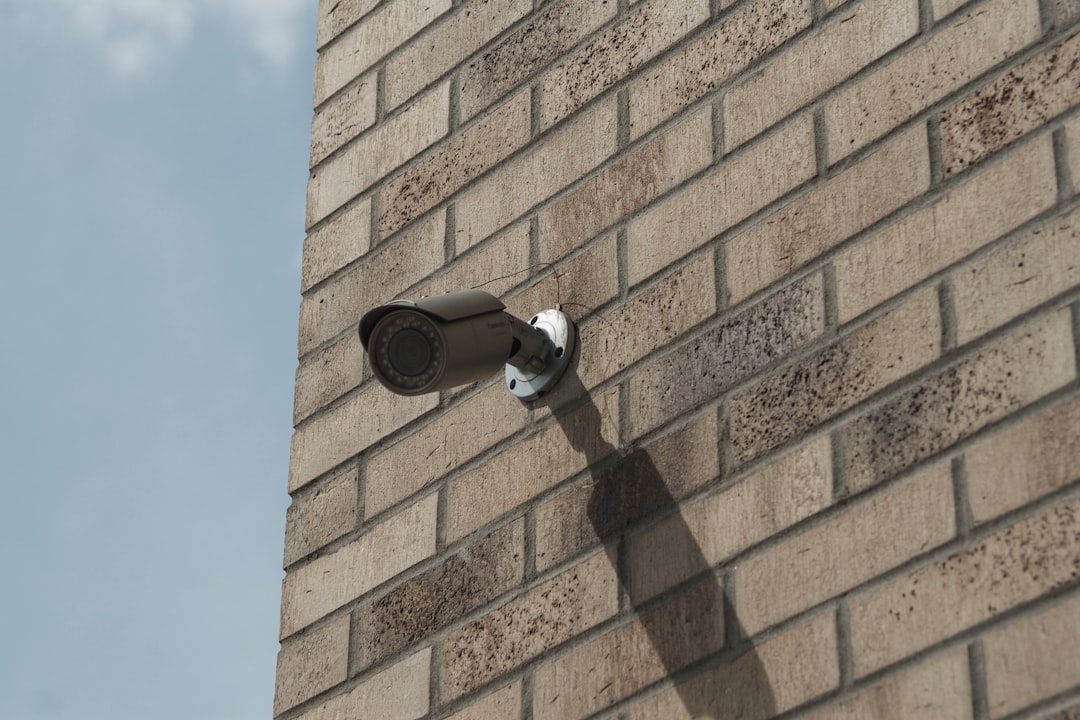
In residential and commercial environments alike, CCTV systems have become a standard requirement for safety, monitoring, and peace of mind. However, one of the most overlooked aspects of installation is cable management. Exposed CCTV wires can instantly reduce the visual appeal of a space, making even a high-end security system look unfinished and unprofessional. Beyond appearance, loose cables are vulnerable to dust, moisture, sunlight, accidental pulling, and deliberate tampering. A clean, hidden wiring approach not only improves aesthetics but also strengthens the overall durability and reliability of the security system.
Hiding CCTV wires matters more than many people realize, especially in homes where design and comfort are priorities. Visible cables running along walls or ceilings disrupt interior harmony and can clash with modern décor. In commercial spaces, exposed wiring can create a poor impression on clients and visitors, signaling rushed or low-quality installation. From a safety perspective, uncovered wires are easy targets for intruders seeking to disable cameras. Children and pets may also pull or damage cables, increasing maintenance costs and system downtime over time.
A well-hidden wiring setup contributes directly to the long-term value of a property. Clean cable management reduces wear and tear, minimizes the risk of electrical faults, and simplifies future upgrades or repairs. Properties with neatly installed security systems are more appealing to buyers and tenants, as they reflect thoughtful planning and professional execution. Additionally, concealed wires reduce tripping hazards and help maintain clear walkways, especially in offices, shops, and residential corridors where foot traffic is frequent.
Proper preparation is essential before attempting to hide CCTV wires. Rushing into drilling or cutting without planning often results in unnecessary wall damage and inefficient cable routes. Measuring cable lengths accurately helps avoid excess wiring that later becomes difficult to conceal. Identifying power sources, recording units, and camera mounting points allows for smoother routing. Planning also involves deciding whether cables will run inside walls, through ceilings, along skirting boards, or externally through protective conduits.
Using the right tools makes a significant difference in achieving a clean, professional look. A drill with suitable bits allows precise wall access, while fish tape helps pull wires through narrow cavities. Cable clips, zip ties, and adhesive hooks help secure cables neatly along hidden paths. PVC conduits and flexible tubing are especially useful for outdoor installations, protecting wires from rain, heat, and dust. Paintable cable raceways are ideal for indoor use, blending seamlessly into walls when matched with existing colors.
One of the most effective ways to hide CCTV wires indoors is routing them through walls or ceilings. This method delivers the cleanest finish, as cables remain completely invisible once installation is complete. Hollow walls, false ceilings, and attic spaces provide ideal pathways. However, this approach requires careful drilling and knowledge of electrical layouts to avoid damaging existing wiring or plumbing. When executed properly, in-wall routing offers unmatched durability and a truly professional appearance.
For those who prefer minimal drilling, surface-mounted cable management solutions offer an excellent alternative. Cable raceways and trunking systems run neatly along walls, corners, or ceilings and can be painted to match surroundings. Skirting boards and crown moldings also provide natural hiding spots for cables. These methods are especially suitable for rented properties or finished interiors where structural modifications are not allowed. When installed carefully, surface solutions remain discreet and visually appealing.
Outdoor CCTV installations require special attention due to environmental exposure. Sunlight, rain, humidity, and dust can quickly degrade unprotected cables. Using weatherproof conduits and UV-resistant casing ensures long-term performance. Routing cables along existing structures such as gutters, downpipes, or wall edges helps keep them out of sight. Sealing entry points with silicone prevents water ingress and insect intrusion, preserving both the building structure and the cable integrity.
Wireless and hybrid CCTV systems can also reduce visible wiring significantly. While cameras still require power, wireless data transmission eliminates long video cables, simplifying installation. Solar-powered cameras further minimize wiring needs, making them ideal for outdoor or remote locations. However, even wireless setups benefit from careful power cable concealment to maintain a clean look. Combining wireless technology with smart cable routing offers a balance between convenience and aesthetics.
Ultimately, hiding CCTV wires is about combining functionality with visual harmony. A well-concealed wiring system enhances security effectiveness, protects equipment, and elevates the overall appearance of a space. Whether for a home, office, shop, or industrial site, thoughtful cable management transforms a basic CCTV installation into a polished, professional security solution. Investing time and effort into hiding wires ensures your surveillance system looks as good as it performs, delivering long-term value and peace of mind.