Beyond the Entrance: Essential Locations for Effective CCTV Surveillance in Commercial Buildings
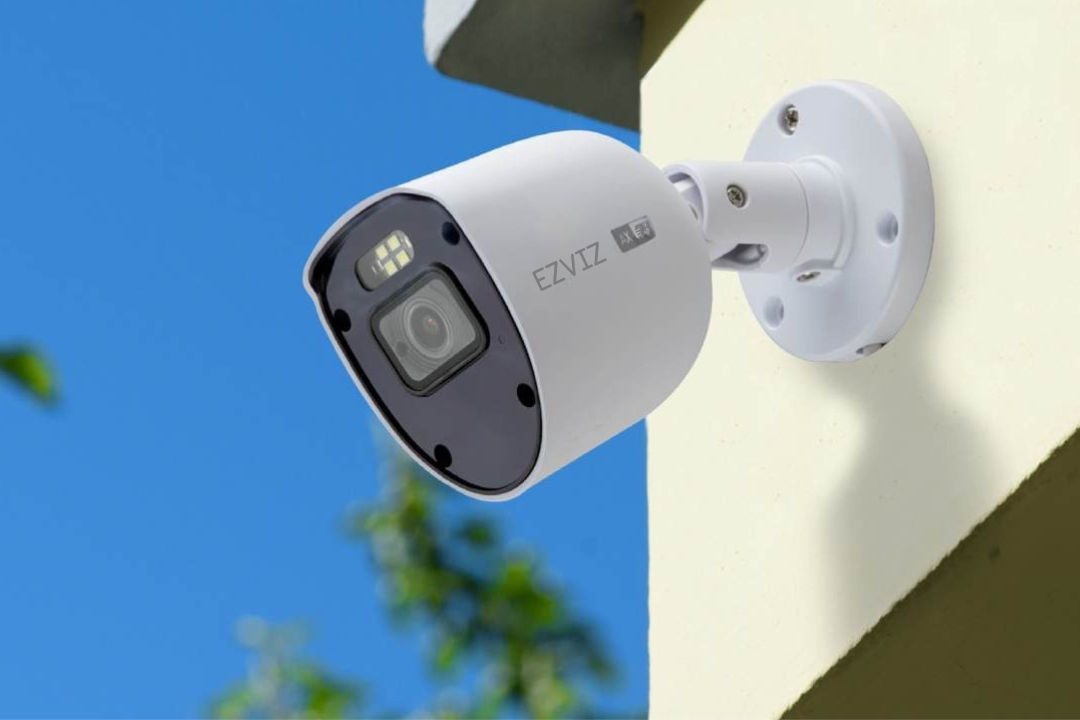
In today’s fast-paced and security-conscious business environment, protecting assets, employees, and customers is no longer optional—it is essential. One security breach can result in financial loss, reputational damage, and long-term trust issues. This is where CCTV surveillance plays a critical role. However, installing cameras alone is not enough; placing them in the right locations within a business premises determines how effective your security system truly is. Strategic CCTV placement helps deter crime, monitor activity, and provide actionable evidence when incidents occur, making it a vital investment for businesses of all sizes.
One of the most important places to install CCTV cameras is at the main entrance and exit points. These areas experience the highest foot traffic and are often the first targets for unauthorized access or suspicious behavior. Cameras positioned here help record every individual entering or leaving the premises, providing clear facial identification and time-stamped footage. This is particularly valuable for retail stores, offices, warehouses, and commercial buildings where monitoring visitor movement is essential. Properly installed entrance cameras act as a strong deterrent against theft, trespassing, and vandalism.
Reception areas and front desks are another critical location for CCTV installation. These spaces are where visitors interact with staff, exchange information, and often handle sensitive documents. Surveillance in reception areas enhances employee safety and ensures professional conduct from both staff and visitors. It also helps resolve disputes by providing clear visual records. For businesses that deal with clients daily, such as corporate offices, clinics, and service centers, CCTV cameras in reception areas contribute significantly to accountability, transparency, and operational security.
Cash handling areas and points of sale require special attention when planning CCTV coverage. These locations are most vulnerable to internal theft, fraud, and external robbery attempts. Installing high-resolution cameras above cash counters, billing desks, and payment terminals allows business owners to monitor transactions accurately. This not only discourages dishonest behavior but also helps resolve customer disputes related to billing or payments. For retail stores, restaurants, and supermarkets, CCTV monitoring of cash areas strengthens loss prevention strategies and improves overall financial control.
Storage rooms, warehouses, and inventory areas are often overlooked but are among the most important zones for CCTV surveillance. These areas house valuable stock, raw materials, and equipment, making them attractive targets for theft and unauthorized access. Cameras installed in storage spaces help track inventory movement, prevent pilferage, and ensure compliance with safety protocols. Businesses dealing with logistics, manufacturing, or wholesale distribution benefit greatly from continuous monitoring of these areas, as it supports both security and operational efficiency.
Corridors, hallways, and internal pathways play a vital role in comprehensive CCTV coverage. These areas connect different departments and allow smooth movement within the premises. Installing cameras here helps track employee movement, identify suspicious behavior, and ensure that restricted areas are not accessed without permission. Internal surveillance also helps maintain discipline and resolve internal conflicts. For large offices, factories, and educational institutions, corridor cameras create a seamless security network that leaves no blind spots.
Parking areas and building exteriors are equally crucial for business security. Vehicles belonging to employees, customers, and management are often parked in open or semi-secured spaces, making them vulnerable to theft and damage. CCTV cameras covering parking lots, loading docks, and external perimeters help monitor vehicle activity, prevent break-ins, and enhance personal safety. Exterior surveillance also protects the building from vandalism and unauthorized entry attempts, making it an essential layer of any commercial security system.
Employee-only areas such as staff rooms, workstations, and production floors should also be monitored with careful consideration. While privacy laws must always be respected, CCTV cameras in these areas help ensure workplace safety, monitor productivity, and prevent internal misconduct. In industries like manufacturing, healthcare, and hospitality, surveillance helps enforce safety protocols and identify operational inefficiencies. Proper placement ensures that cameras serve a protective role without violating ethical or legal boundaries.
Server rooms and data centers are high-risk zones that demand strict surveillance. These spaces house critical IT infrastructure, confidential data, and communication systems. Unauthorized access or tampering can lead to severe operational and financial consequences. Installing CCTV cameras with restricted access monitoring ensures that only authorized personnel enter these areas. Businesses relying heavily on digital systems, including IT firms and corporate offices, benefit immensely from enhanced surveillance of their technical infrastructure.
Ultimately, the effectiveness of a CCTV system depends not just on the number of cameras, but on intelligent placement and professional installation. Every business has unique security needs, and a customized surveillance strategy ensures maximum coverage and return on investment. By identifying high-risk areas and installing cameras strategically, businesses can protect assets, enhance employee safety, and build customer trust. A well-planned CCTV system is not just a security tool—it is a foundation for long-term business stability and growth.