Free Shipping on All Orders in Pakistan.

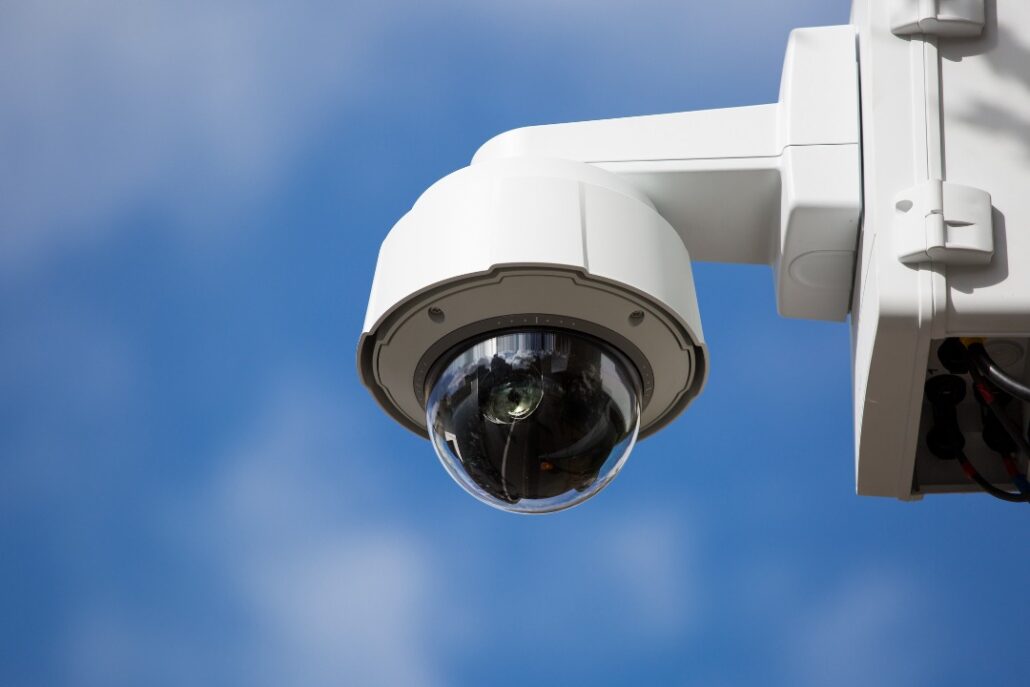
In security systems, CCTV blind spots are a major weakness that can compromise overall protection and weaken your entire security setup. A security surveillance system is designed to provide full visibility of an area, but when blind spots exist, they create hidden zones where activity goes unnoticed.
These gaps in coverage reduce the effectiveness of even advanced security setups. Whether it is a home, office, or commercial space, CCTV blind spots can be exploited by intruders who intentionally look for areas outside camera range. This is why understanding and eliminating surveillance gaps is essential for reliable protection.
The core issue in most security setups is the presence of CCTV blind spots. These are areas within a monitored space that fall outside the camera’s field of view. Even a small blind spot can compromise an entire security surveillance system.
The Beyond Cameras approach highlights that true security is not just about how many cameras are installed, but how effectively they cover the environment. Blind spots often appear in corners, staircases, hidden entry points, and poorly planned camera angles.
Intruders often take advantage of these weaknesses, which is why eliminating surveillance gaps is essential for real protection.
Traditional security systems rely heavily on equipment placement, but Beyond Cameras focuses on strategy and awareness. It encourages security planning that considers movement patterns, environmental changes, and long-term system performance.
Many CCTV blind spots are created not at installation but over time. Changes in lighting, furniture placement, construction, or natural growth like trees can slowly block camera views. Without a camera placement strategy, these changes go unnoticed, creating hidden surveillance gaps.
A security surveillance system must therefore be flexible and regularly updated to maintain full coverage.
A strong camera placement strategy is at the heart of the Beyond Cameras approach. Cameras should never be installed randomly or based only on convenience.
Instead, placement should focus on complete environmental coverage. Entry points, exits, corridors, and high-traffic zones must always be monitored. Overlapping camera angles help ensure that if one camera misses activity, another captures it.
Proper positioning also includes considering height, angle, and lighting conditions. When done correctly, this significantly reduces CCTV blind spots and improves overall system reliability.
The concept of Beyond Cameras goes beyond physical devices and focuses on system intelligence. A modern security surveillance system must be designed to continuously detect and eliminate surveillance gaps.
These gaps are not always visible at first glance. They may appear due to shadows, poor lighting, or obstructed views. Without proper monitoring and testing, these CCTV blind spots can remain unnoticed for long periods.
Regular system evaluation, motion testing, and real-time monitoring help identify weak zones before they become security risks.
Even a well-designed system can develop CCTV blind spots due to environmental changes. The Beyond Cameras approach recognizes that security is not static.
Lighting conditions change throughout the day, creating shadows that hide movement. Weather conditions such as rain, fog, or dust can reduce visibility in outdoor surveillance. Over time, objects like walls, trees, or furniture can also block camera views.
Because of this, a security surveillance system must be regularly reviewed and adjusted to maintain full coverage.
Modern security systems are now evolving beyond traditional recording methods. The Beyond Cameras approach integrates smart technologies that help reduce blind spots and improve monitoring efficiency.
AI-powered surveillance systems can detect unusual movement patterns and highlight suspicious activity in real time. PTZ cameras allow dynamic movement, reducing static coverage limitations. Motion detection systems also help identify activity in low-visibility areas.
However, technology alone cannot eliminate CCTV blind spots. Proper planning and placement remain essential for full effectiveness.
A complete Beyond Cameras strategy ensures that both indoor and outdoor areas are fully secured.
Indoors, CCTV blind spots are often found in hallways, storage rooms, staircases, and unused corners. Outdoors, they appear near fences, poorly lit zones, and areas blocked by physical structures.
A well-designed security surveillance system ensures seamless coverage between indoor and outdoor environments, leaving no gaps in protection.
One of the most important aspects of the Beyond Cameras philosophy is continuous monitoring and system evaluation.
Regular checks help identify new CCTV blind spots created by environmental or structural changes. Reviewing recorded footage, testing camera angles, and adjusting placements ensures that surveillance gaps are quickly corrected.
Without regular maintenance, even the best security surveillance system can lose effectiveness over time.
True Security is Beyond Cameras
The idea of Beyond Cameras represents a modern approach to security where focus shifts from simple installation to complete environmental awareness.
Eliminating CCTV blind spots, improving camera placement strategy, and maintaining a strong security surveillance system are all essential for reliable protection.
When surveillance is planned, adaptive, and continuously monitored, it moves beyond basic observation and becomes a powerful tool for prevention and control.
True security is not just about camerasit is about seeing everything. That is the essence of Beyond Cameras.
The Beyond Cameras approach is essential in building a strong and reliable security surveillance system because it focuses on eliminating every possible weakness, especially CCTV blind spots. In modern security planning, simply installing cameras is not enough; the real effectiveness depends on how well the entire area is covered without leaving any surveillance gaps. A smart camera placement strategy ensures that every corner, entry point, and movement path is properly monitored.
By using the Beyond Cameras mindset, security becomes more proactive rather than reactive. It helps identify hidden risks caused by poor angles, environmental changes, or outdated setups. Regular monitoring, system updates, and intelligent positioning all work together to reduce blind spots and improve overall protection. This makes the security surveillance system more efficient, reliable, and capable of delivering complete coverage for homes, offices, and commercial spaces.
No products in the cart.